 Nevernevermore
 / Goal setting apps for ADHD
Goal setting apps for ADHD
There’s no single best ADHD app, because ADHD breaks planning in several different places and each app is built for a different one. Work out which part breaks for you and the right app gets a lot more obvious.
We make one of the apps on this list, so read it with that in mind. Here is how we tried to earn the read: every app below is named with what it’s genuinely better at than ours, and where one of them fits your situation better, we say so plainly.
Everything stated about another app was checked on their own site or documentation on 2026-11-14. Apps change. Check theirs before deciding.
Most people arriving at this search have already tried three or four of these. That is the normal pattern, and it is not a discipline problem. It is that ADHD breaks planning in at least five different places, and an app built for one of them will do nothing for the others no matter how good it is.
Time blindness is a different failure from the blank page. The blank page is a different failure from a task too big to start. None of those are the same as knowing exactly what to do and losing the thread anyway. If you pick an app without naming which of those is yours, you will end up with a fifth app and the same week.
So the list below is sorted by the breakage, not by rank.
The expensive mistake is switching apps when the problem is the category.
If you have cycled through several habit trackers, the next habit tracker will not be the one. A tracker assumes you already know the behavior to repeat and only needs help remembering it. That assumption is doing a lot of quiet work, and when it is wrong, no amount of better tracking fixes it.
How to pick, in one question
- Time does not feel like a quantity
- You lose hours, you cannot tell what fits in an afternoon, you are always late or always early. Start with Tiimo.
- One task is too big to start
- You know what you have to do, it sits there as one immovable object. Goblin Tools, and it is free.
- You do not know what the steps are
- The goal is real and the plan does not exist. This is the gap Nevernevermore was built for, and the one we are biased about.
- You have the plan and lose the thread
- Everything is captured, nothing gets done. Todoist or Structured, depending on whether you need a list or a day.
- The capacity is gone this week
- Not a planning problem. Finch is built for the days when the bar has to be very low.
- Nothing has ever been rewarding enough to repeat
- Habitica if games work on you, which for some people they genuinely do.
The apps
Tiimo
Best for time blindness, and the most ADHD-designed app here
Tiimo is a visual planner built specifically for neurodivergent people, and it is the one to try first if your core difficulty is time. It lays today out as something you can see rather than a list you have to hold in your head, which is the whole trick for a brain that does not feel duration.
We are not better than Tiimo at this and will not pretend otherwise. If time is the breakage, use Tiimo.
Where it stops. It is built around today's tasks and routines, so it will lay out the day beautifully and has nothing to say about the twelve weeks after it. People more often add something that reaches further out than replace it.
Goblin Tools
Best for the single task that is too big to begin
Magic ToDo takes one overwhelming thing and breaks it into steps, with a slider for how much detail you need and time estimates for each piece. It is free, it is fast, and for the specific moment when a task has become one immovable object it is the best tool that exists.
It is also the one on this page most worth trying first, because it costs nothing and takes a minute to find out.
Where it stops. It breaks the task down once and then it is over. Nothing persists, there is no record of what you did, and there is no sense of something being built across weeks. Pair it with something that holds the steps.
Structured
Best for seeing the whole day as one object
Structured lays the day out on a timeline, so instead of a list of eleven things you get a shape with gaps in it. For people who can plan fine but cannot feel where the day has room, that visual difference does real work.
Where it stops. You still decide what belongs on the day and in what order. That is fine when you know, and no help on the mornings when deciding is the hard part.
Finch
Best for the weeks when capacity is gone
Finch is a self-care app where a small bird grows as you look after yourself. The goals are deliberately small and you choose them from things it already understands, which sounds limiting and is exactly right for a bad week. Lowering the bar on purpose is a real strategy and almost nothing else here does it.
Where it stops. You will outgrow it the moment the goal gets bigger than the list it offers. And the bird cuts both ways: something that notices when you are away is motivating for some people and quietly another obligation for others.
Todoist
Best for already knowing the plan and losing the thread
Todoist is not ADHD-specific and makes no claim to be, which is part of why it works. It is very good at catching things so nothing is lost, it is fast enough to use before you have talked yourself out of opening it, and it does not try to be clever about your brain.
Where it stops. A complete list of tasks is not a plan. Nothing in it works out what has to happen first, so if the problem is that you do not know the steps, a faithful capture habit will leave you with a longer list and no more direction.
Habitica
Best for people genuinely moved by a game
Habitica turns habits, dailies and to-dos into a role-playing game with XP, gold and a party of other people. For a brain that does not produce much reward from the task itself, borrowing the reward from somewhere else is a legitimate approach and for some people it is the only thing that has worked.
Where it stops. You write every habit, daily and to-do yourself, so it assumes you already know what you should be doing. And unfinished dailies damage your character, which is a streak with a louder consequence, landing hardest on the weeks you were already struggling.
Nevernevermore
Best for the goal being real and the plan not existing
Ours, so weigh it accordingly. You name an ambition at any scale and the objectives, milestones and daily missions toward it get worked out for you. Every morning an envelope arrives sized to the time you say you have, so eleven minutes is a real answer and the plan does not shame you for the difference between today and yesterday.
There are no streaks and nothing to protect, so a missed day removes nothing. What builds up is a collection of cards, one for each thing you actually did, because a ticked box leaves nothing behind to look at and that is its own kind of failure.
Where it stops. It is $10 USD a month or $60 USD a year with no free tier, while Goblin Tools is free and several others have free versions. Some people tell us there is a lot on screen at first, and some would rather choose their own daily steps than be handed them. Both are fair and both are in our one-star reviews, which we publish in full.
Two things that are not apps
Body doubling. Working alongside another person, even silently on a video call, does something no software has reproduced. Focusmate books a stranger to sit with you for fifty minutes, and for a lot of people it outperforms every app on this page.
Paper. For weekly planning and brain dumps, plenty of people with ADHD are more consistent on paper than in anything with a login. A paper tracker also only has a streak if you draw one.
If you have now tried five apps, the honest read is usually not that you picked wrong five times. It is that the thing breaking was never the one any of them were built to fix, which is worth ten minutes of thinking about before buying a sixth.
See it
One goal in. A quest out.
Tell the Raven a goal and it draws your whole path. Every morning, a sealed envelope of side quests sized to the time you have. These are the real screens, start to finish.
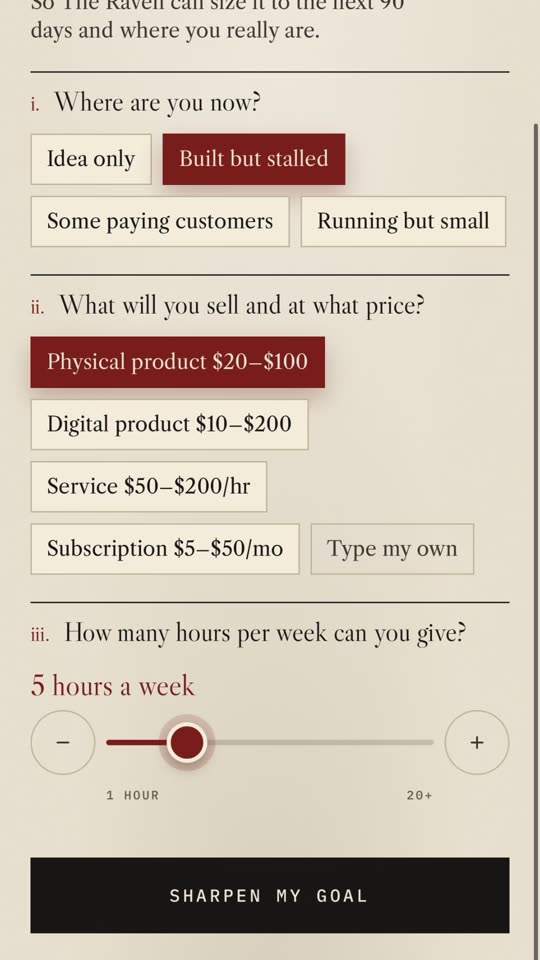
Tell the Raven what you want
It drafts your objectives and milestones. Keep what fits and choose your finish line.
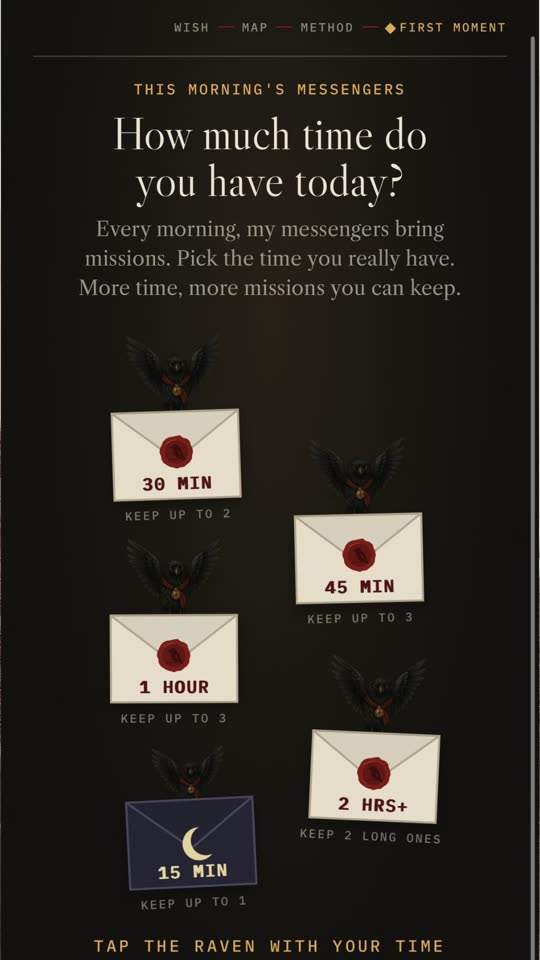
Only got 15 minutes? It still counts
Pick the time you have and your missions are sized to fit. Small days still move the quest.
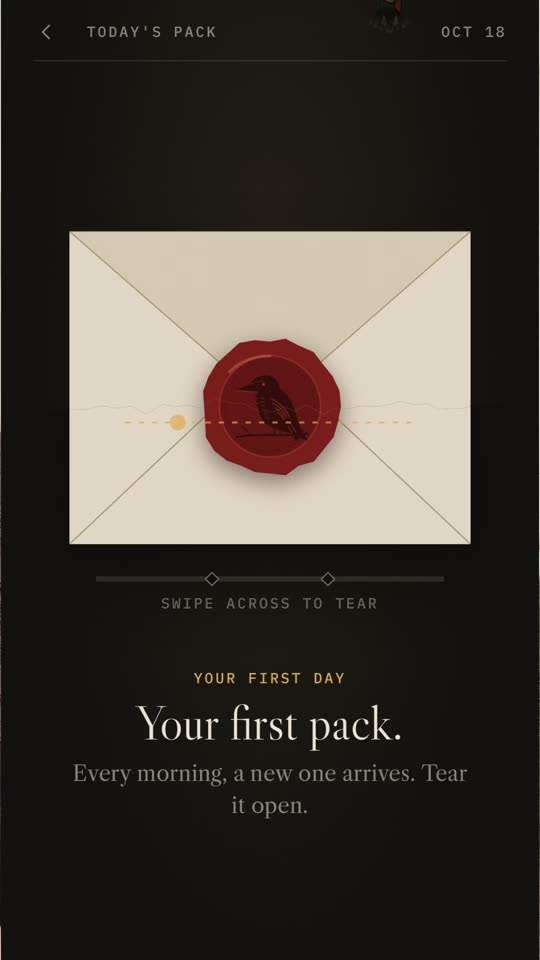
Break the seal each morning
A fresh envelope of side quests, written for where you are on your path.
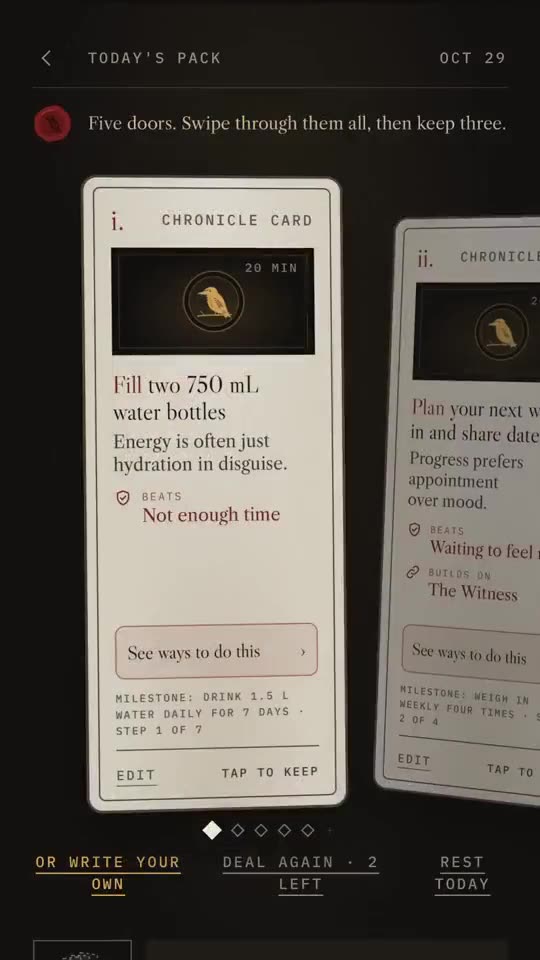
Keep what fits today
Swipe through the missions and keep at least one, or write your own.
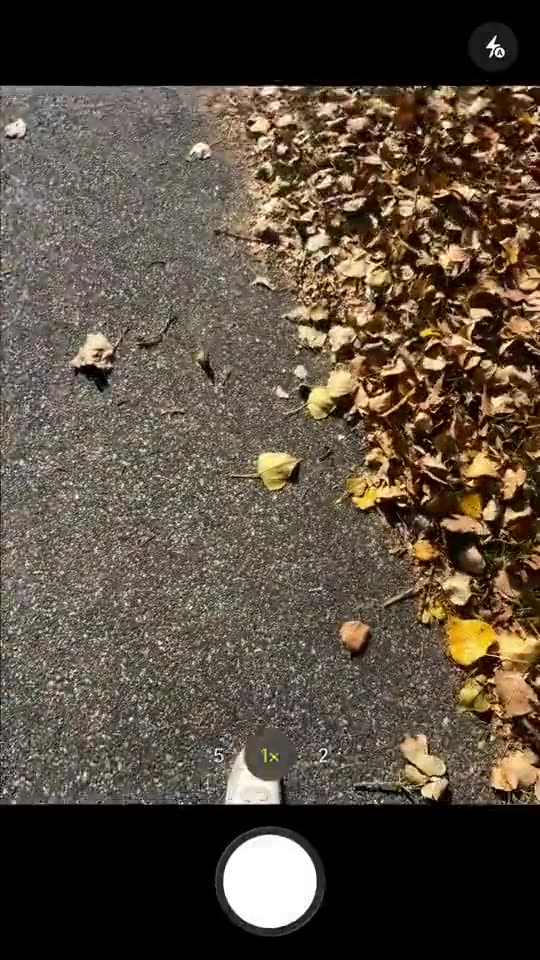
Do the thing for real
Go do it, then snap one photo of the moment as proof.
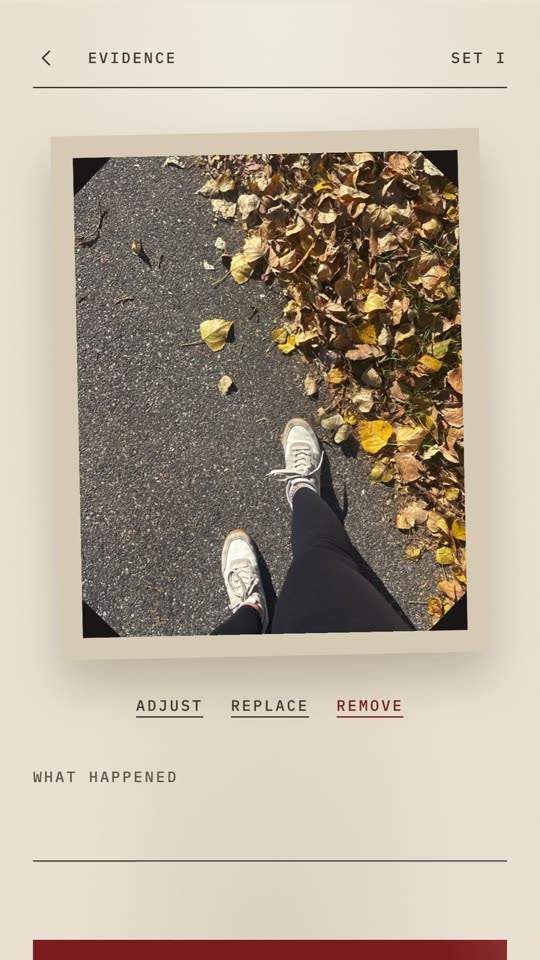
Keep the card
Hold the seal and your moment becomes a card. Keep the real photo or let the Raven illustrate it.
Why this one sticks
Other habit apps hand you an empty list. The raven hands you a quest.
Tell the raven any goal
Join 3,240 members who have started a path since launch on October 21, 2026. Build your whole path and see it before deciding on a pass.
$10 USD a month, or $60 USD a year
Build my pathDo the thing. Keep the proof forever.
Every card has a name, a date, a serial number and a rarity, made from a moment someone actually lived. Here is the real photo next to the card it became.
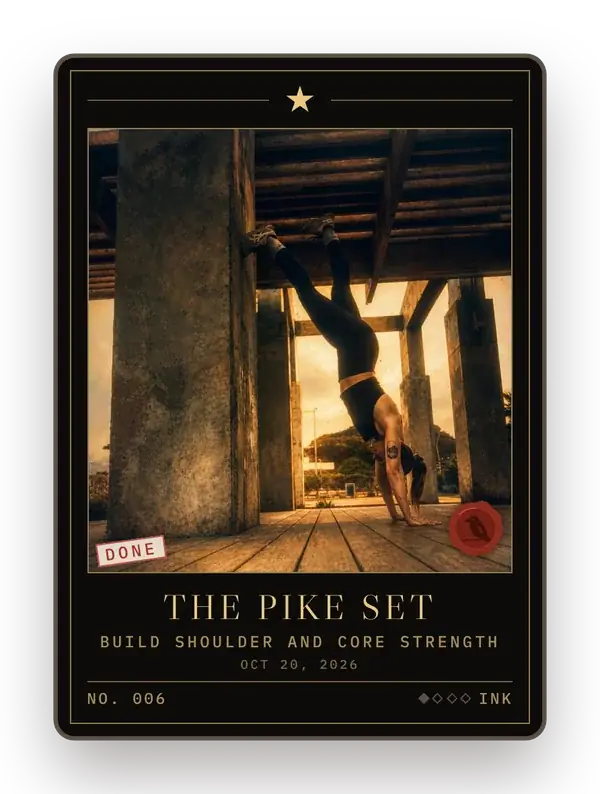
 Real photo

 Real photo

 Real photo
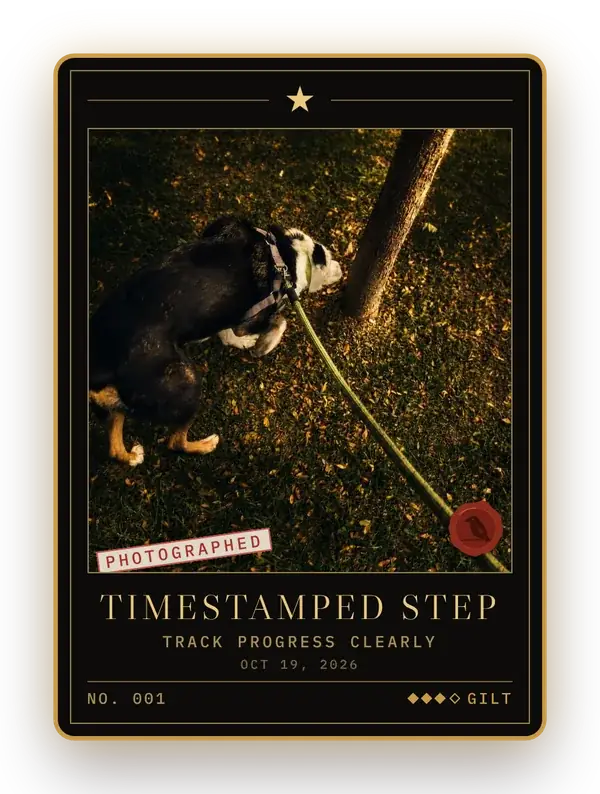
 Real photo
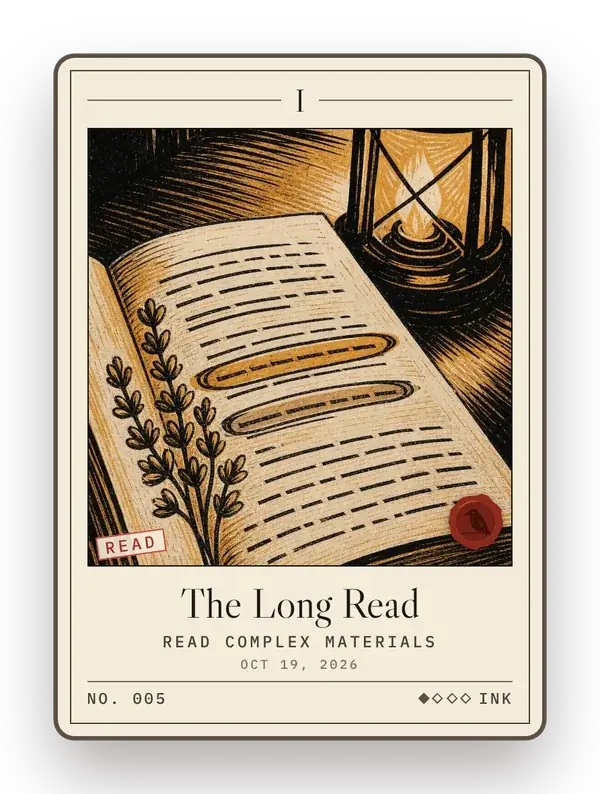
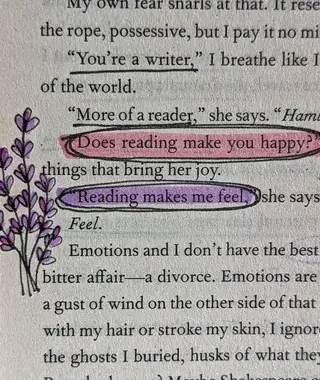 Real photo
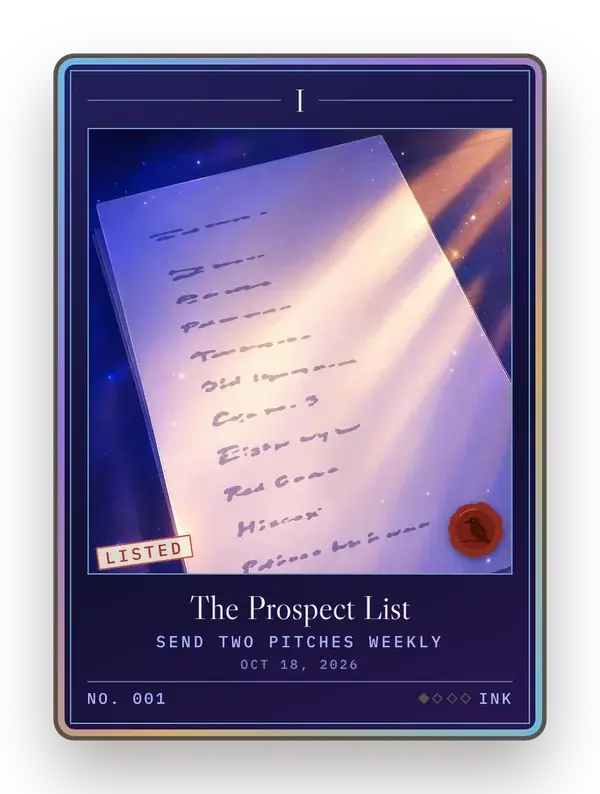
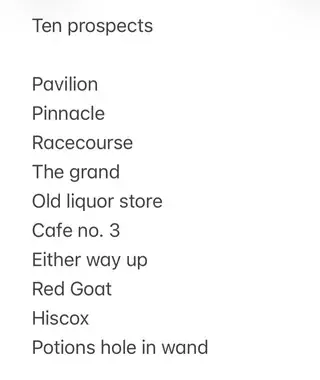 Real photo
Questions people ask
What is the best goal setting app for ADHD?
There is no single best one, because ADHD affects time perception, working memory and motivation differently in different people. Pick by what breaks down: Tiimo if time does not feel like a quantity, Goblin Tools if one task is too big to start, Todoist or Structured if you have the plan and lose the thread, and a goal app like Nevernevermore if the goal is real and the plan does not exist.
Why do habit apps stop working for people with ADHD?
Usually one of two reasons. The first is streaks: one missed day turns into a verdict rather than feedback, and the common pattern is a few strong days, a miss, and never opening the app again. The second is that a habit tracker assumes you already know the behavior to repeat. When the hard part is working out what the steps even are, better tracking does not touch it.
Is there an ADHD app that does not use streaks?
Yes. Nevernevermore has none at all. Among habit trackers, Loop on Android and Kado on iPhone replace the chain with a score that dips on a missed day rather than resetting. We compared the options in detail on our page about habit trackers without streaks.
Are any of these apps a treatment for ADHD?
No. Nothing on this page diagnoses, treats or manages ADHD, and none of it is a substitute for professional support. These are planning tools. If you are looking for assessment or treatment, a qualified professional is the right place to start.
What is the best free ADHD app?
Goblin Tools, for the specific job of breaking one overwhelming task into steps. It costs nothing, needs no account to try, and does that one thing better than any paid app here. Loop Habit Tracker is also free and open source on Android if what you need is tracking.
Can I use more than one of these together?
Most people who settle do. The combinations that come up are a goal app for the path plus Tiimo for the day, or Goblin Tools for the task that will not start plus whatever holds the steps afterward. These apps break in different places, so they stack better than they replace.
Tell the raven any goal
Build your whole path and look at it before deciding on a pass. $10 USD a month, or $60 USD a year.
Build my path